Transporting an 18.30-metre crane from Poland when a standard lorry is no more than 13.62 metres long, organising the arrival of more than 90 lorries from Dunkirk at a construction site in the United Kingdom, preparing customs formalities to prevent equipment from being held up at the border… These situations are part of everyday work for Entrepose Contracting’s Logistics & Transport team.
This function comes into play at a critical point: when equipment must leave the factory, sometimes cross several borders, and arrive on site in the right condition, at the right time, with the right documentation. On an industrial construction site, a logistics delay can quickly become a project delay.
A low-profile but essential function in the EPC chain
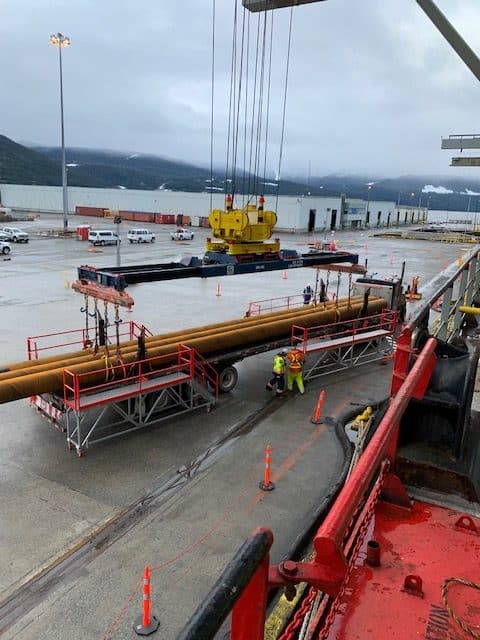
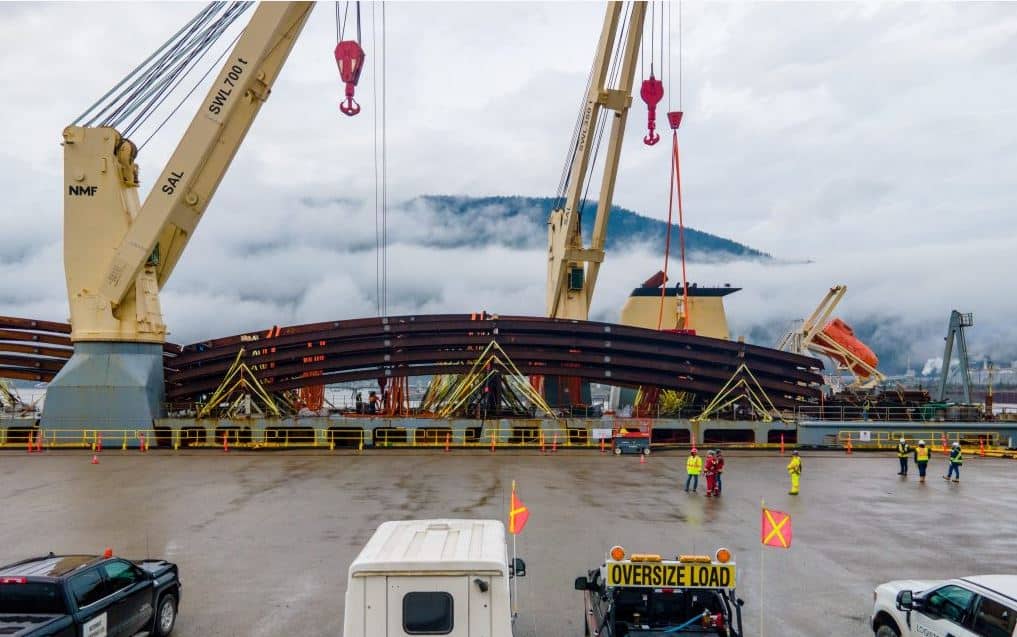
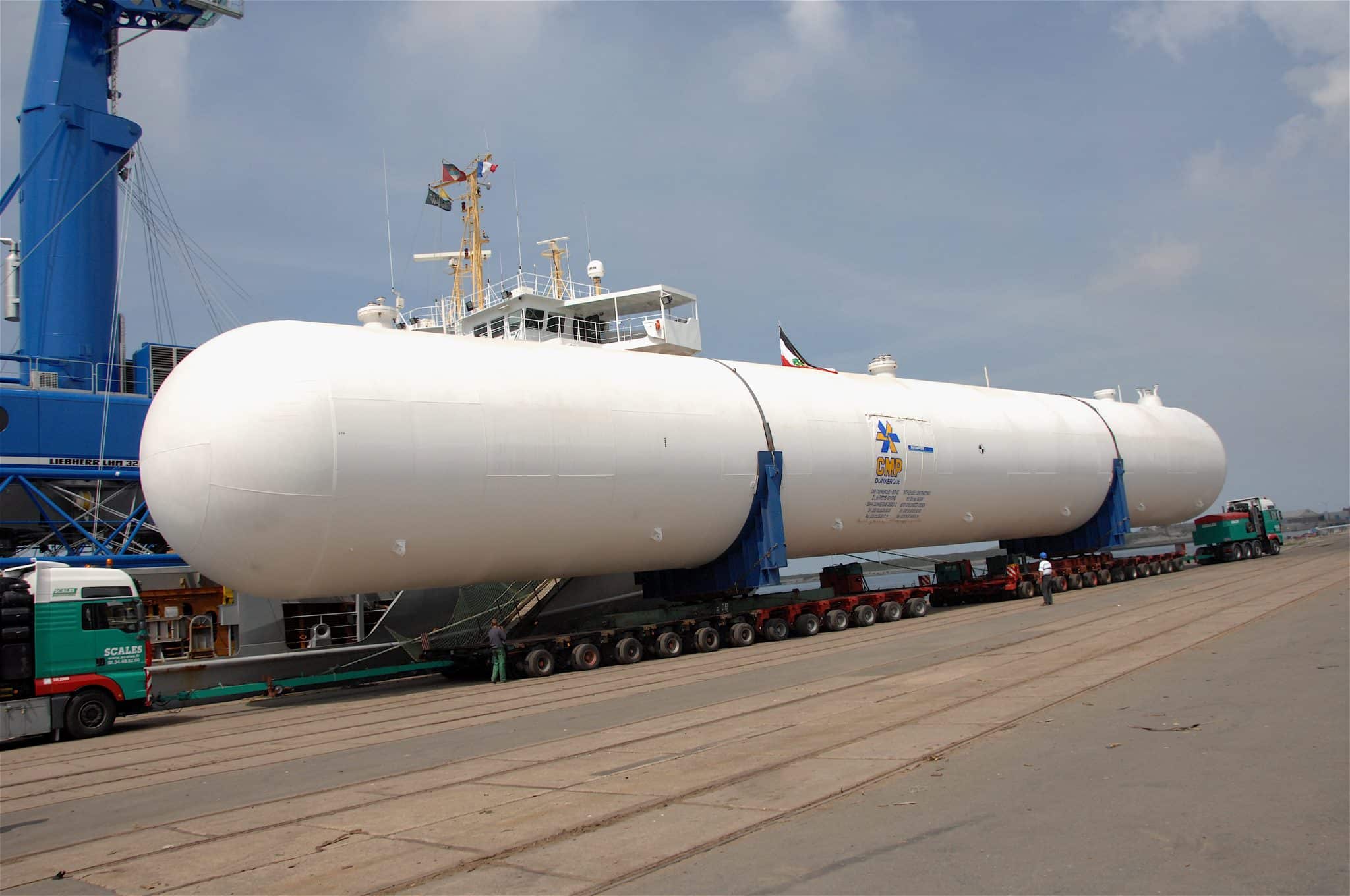
At Entrepose Contracting, the Logistics & Transport team manages the delivery of the materials and equipment required for projects: tank bottom plates, roof sections, piping, prefabricated modules, oversized equipment and sensitive cargo.
Its role goes far beyond simply moving an item from point A to point B. It involves anticipating constraints, selecting the appropriate mode of transport, coordinating the parties involved, ensuring that documentation is in order, tracking shipments and managing unforeseen events.
In an EPC environment, every delivery forms part of a wider chain. Equipment due on site may be a prerequisite for a lifting operation, an erection phase or work by a specialist team. Logistics therefore becomes a practical tool for controlling the project schedule.
As Olga Métélitsa, Head of Logistics & Transport, explains, the team is often called upon when a project enters its operational phase. Yet the earlier it is involved, the better it can anticipate risks relating to cargo dimensions, port constraints and customs formalities.
Why retain this expertise in-house?
Many industrial companies outsource a large proportion of their transport operations. Entrepose Contracting has chosen to retain strong logistics expertise in-house. This decision addresses three key considerations: time, cost and quality.
The first consideration is schedule control. On an EPC project, an equipment delivery date is more than a matter of organisational convenience. It determines progress on site. An in-house team understands project priorities, site constraints and the operational consequences of a delay.
The second consideration concerns costs and formalities. International transport involves customs duties, taxes, declarations and specific permits, depending on the countries through which the goods transit. A documentation error can result in goods being held up, vehicles being detained or additional charges.
The third consideration is the condition of the equipment delivered. Equipment that arrives damaged may require repairs, a replacement order or modifications on site. To minimise this risk, the team works with suppliers at an early stage on packing, loading and inspection requirements.
This overall perspective makes logistics an integral part of project execution, alongside engineering and construction.
An oversized crane: finding a practical solution
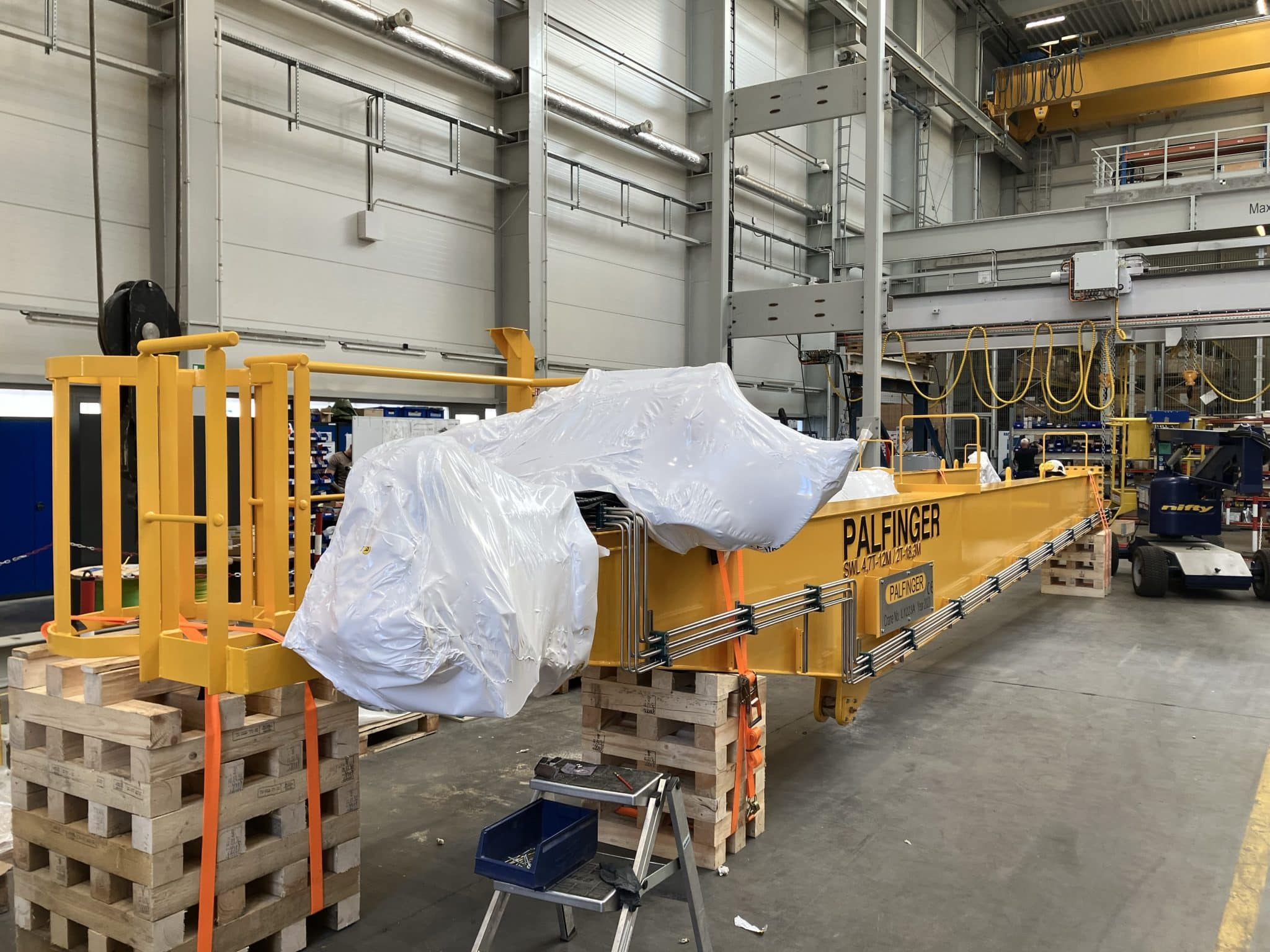
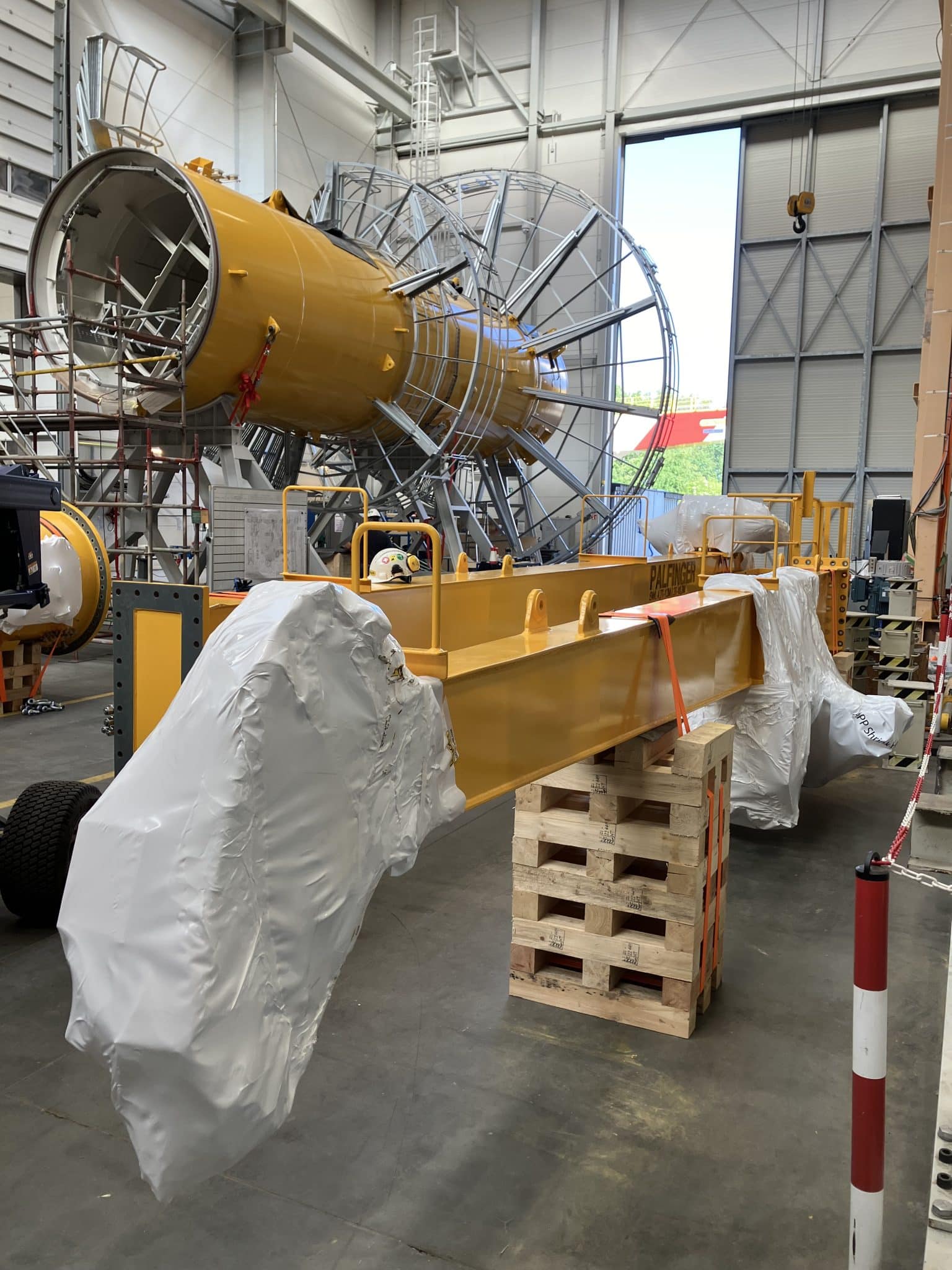
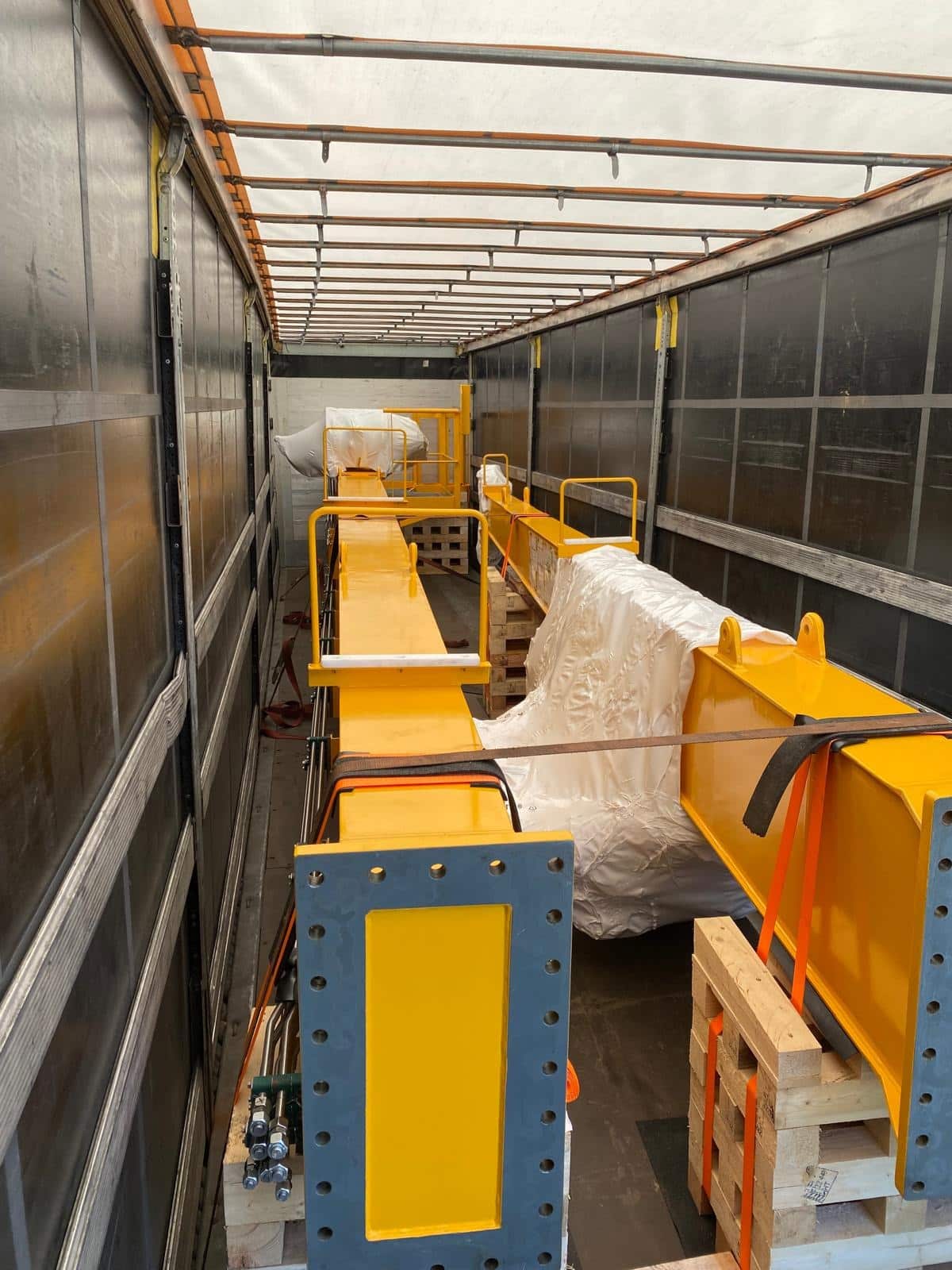
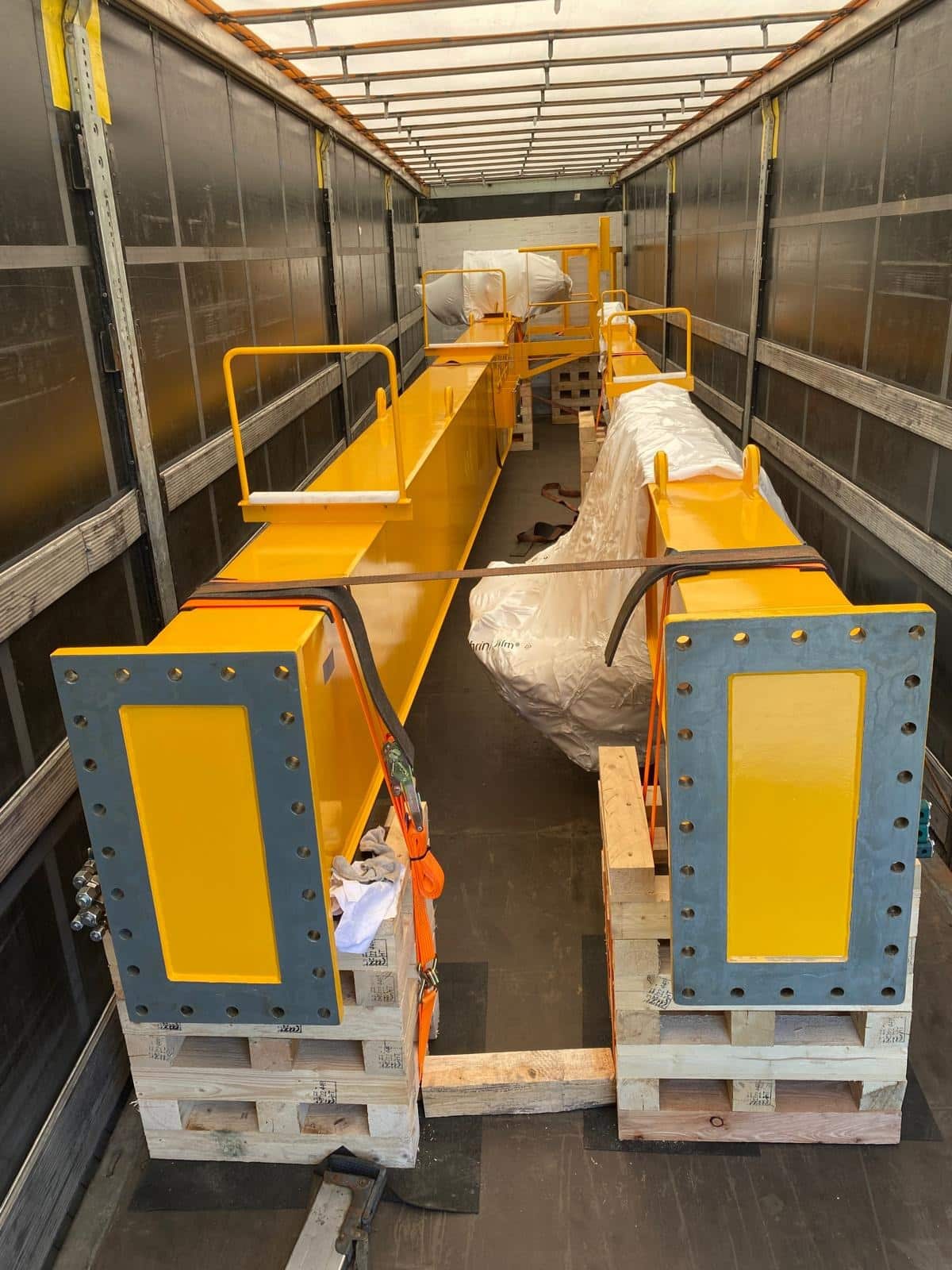
Recounted by Olga Métélitsa, this example clearly illustrates the added value of in-house expertise. The equipment had to be transported from Poland to a construction site, but its dimensions — 18.30 metres in length — exceeded those of standard road transport, limited to 13.62 metres.
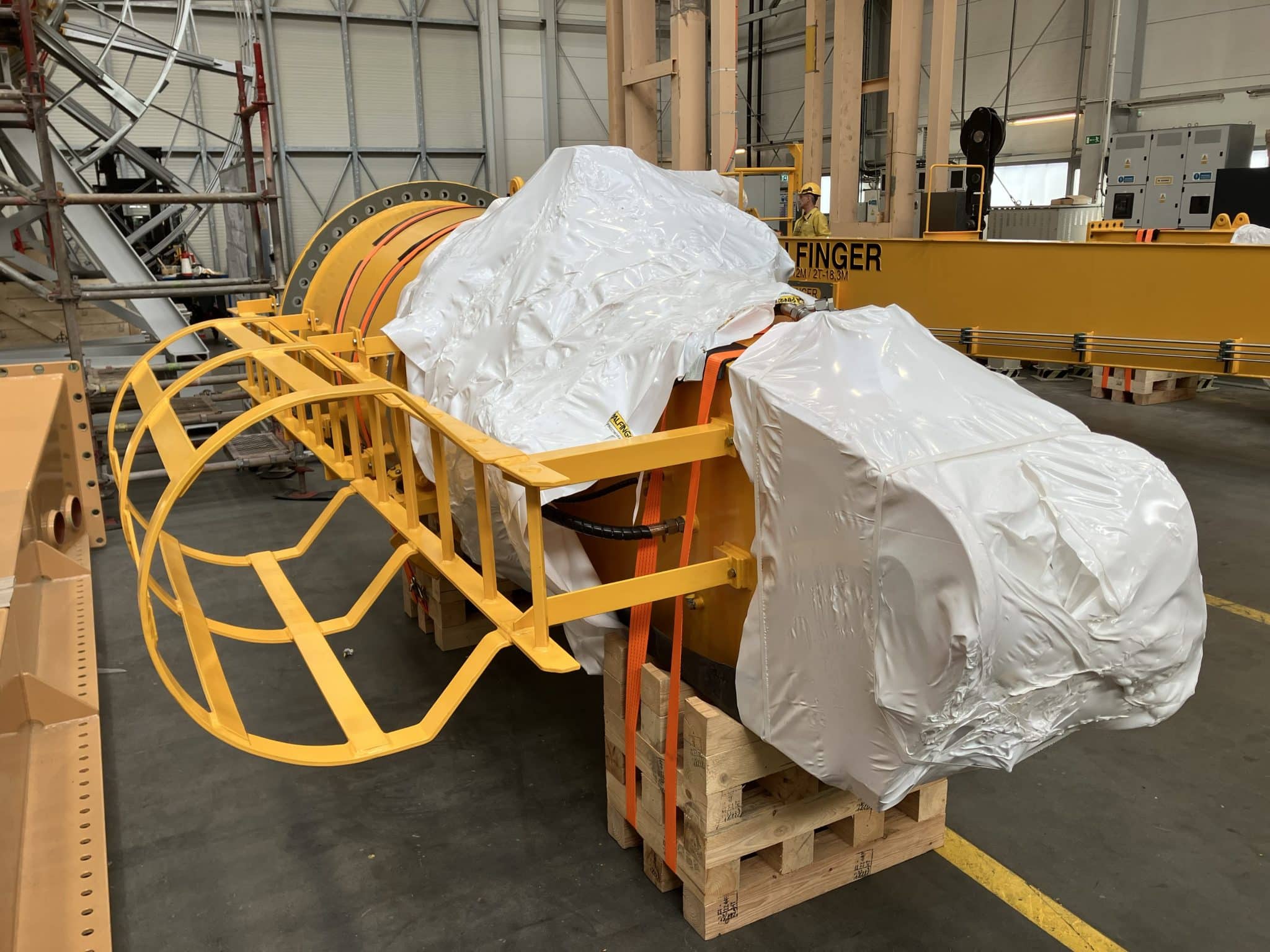
Faced with this constraint, the Logistics & Transport team worked directly with the supplier and technical teams to identify a solution: dismantling the crane into several components to facilitate transport, rather than immediately initiating a complex abnormal load transport procedure.
This approach demonstrates the value of direct dialogue between logistics, engineering and suppliers. The solution does not come solely from the haulier. It emerges from a technical understanding of the equipment, the construction schedule and regulatory constraints.
In this type of situation, logistics becomes a problem-solving function. It turns a transport constraint into an operational decision.
Coordinating volume: more than 90 lorries for the Isle of Grain project
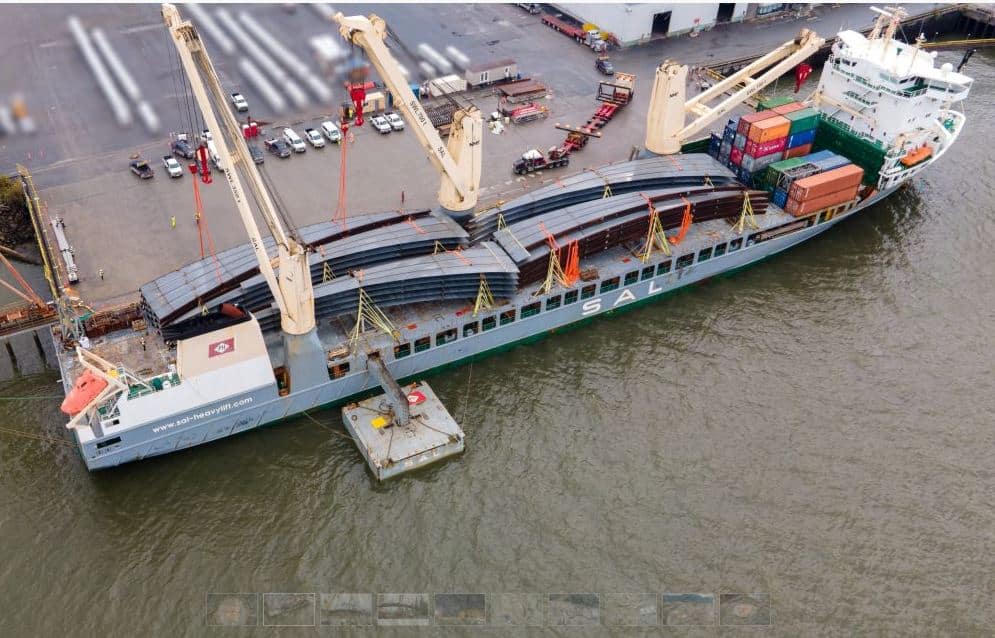
Unlike a single oversized item of equipment, some projects require coordination on a much larger scale. For the Grain project in the United Kingdom, the plates required to build the tank had to be transported from Dunkirk.
According to Olga Métélitsa, more than 90 lorries were scheduled, sequenced and directed to the construction site. The challenge was not simply to transport a large volume, but to ensure that it arrived at the right pace.
On site, a waiting lorry can obstruct a receiving area, disrupt an unloading sequence or incur detention charges. Logistics performance therefore depends on the ability to synchronise departures, crossings and arrivals with the site’s actual capacity to receive deliveries.
This coordination requires continuous contact with project teams, hauliers, freight forwarders and the site. It shows how logistics operates at the interface between scheduling, purchasing, engineering, site operations and compliance.
Expertise in international operations and documentation
Entrepose Contracting’s projects involve suppliers, hauliers and freight forwarders based in several countries. This international dimension calls for meticulous attention to detail in all exchanges.
A single document may involve different units of measurement or currencies that need to be specified: Olga Métélitsa recalls an invoice denominated in dollars that did not specify which items it covered — a detail that, if not checked properly, can distort an entire cost calculation. Added to this are the need to interpret Incoterms, comply with customs requirements and obtain specific permits for certain goods.
The role therefore requires two complementary skill sets: understanding the technical constraints of the equipment to be transported and mastering international trade rules. Reading a drawing, checking cargo dimensions, anticipating lifting requirements, reviewing customs documentation or clarifying responsibilities between the supplier, buyer, shipper and inspector are all part of the same process.
This meticulous approach to documentation is essential. An incomplete or imprecise document alone can hold up goods, delay a delivery or generate additional costs.
A profession that supports reliable project delivery
In complex industrial projects, logistics is sometimes regarded as a support function. In practice, it secures supplies and safeguards the schedule — as demonstrated by the Polish crane, which was moved within a few days thanks to in-house expertise, rather than over several months through an external procedure.
It also maintains a practical understanding of site constraints: equipment dimensions, port lead times and the site’s capacity to receive deliveries.
At Entrepose Contracting, the decision to retain this expertise in-house reflects a firm conviction: on an EPC project, controlling time, cost and quality also depends on controlling transport.
Logistics is not merely the last link in the chain: it is one of the key factors that enable a project to fulfil its commitments, from supplier to construction site.
To find out more about the responsibilities, skills and career paths associated with this profession, visit Entrepose Contracting’s Logistics & Transport career profile.