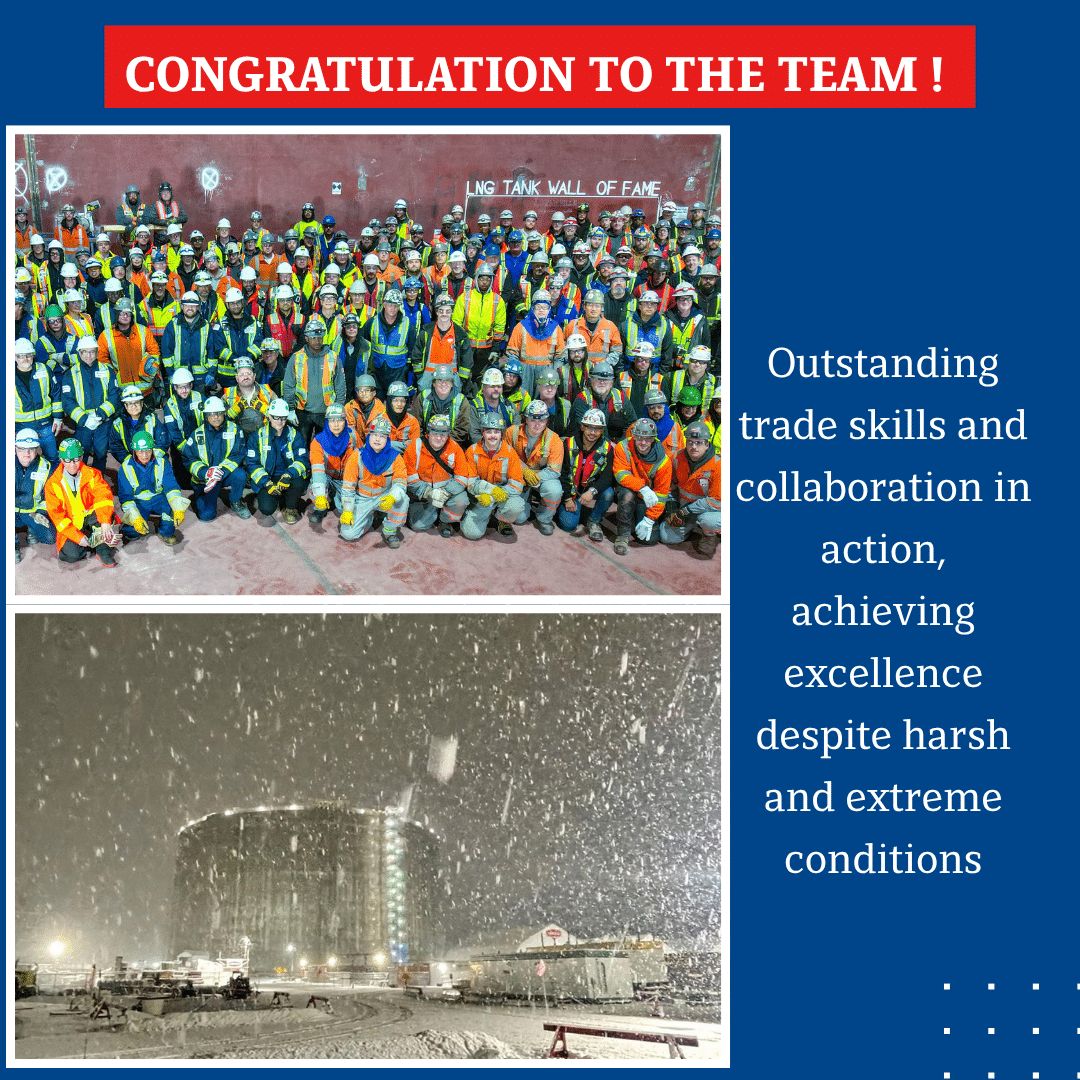
The arrival of the first LNG carrier marked a historic moment for the LNG Canada project. This inaugural cargo initiated...

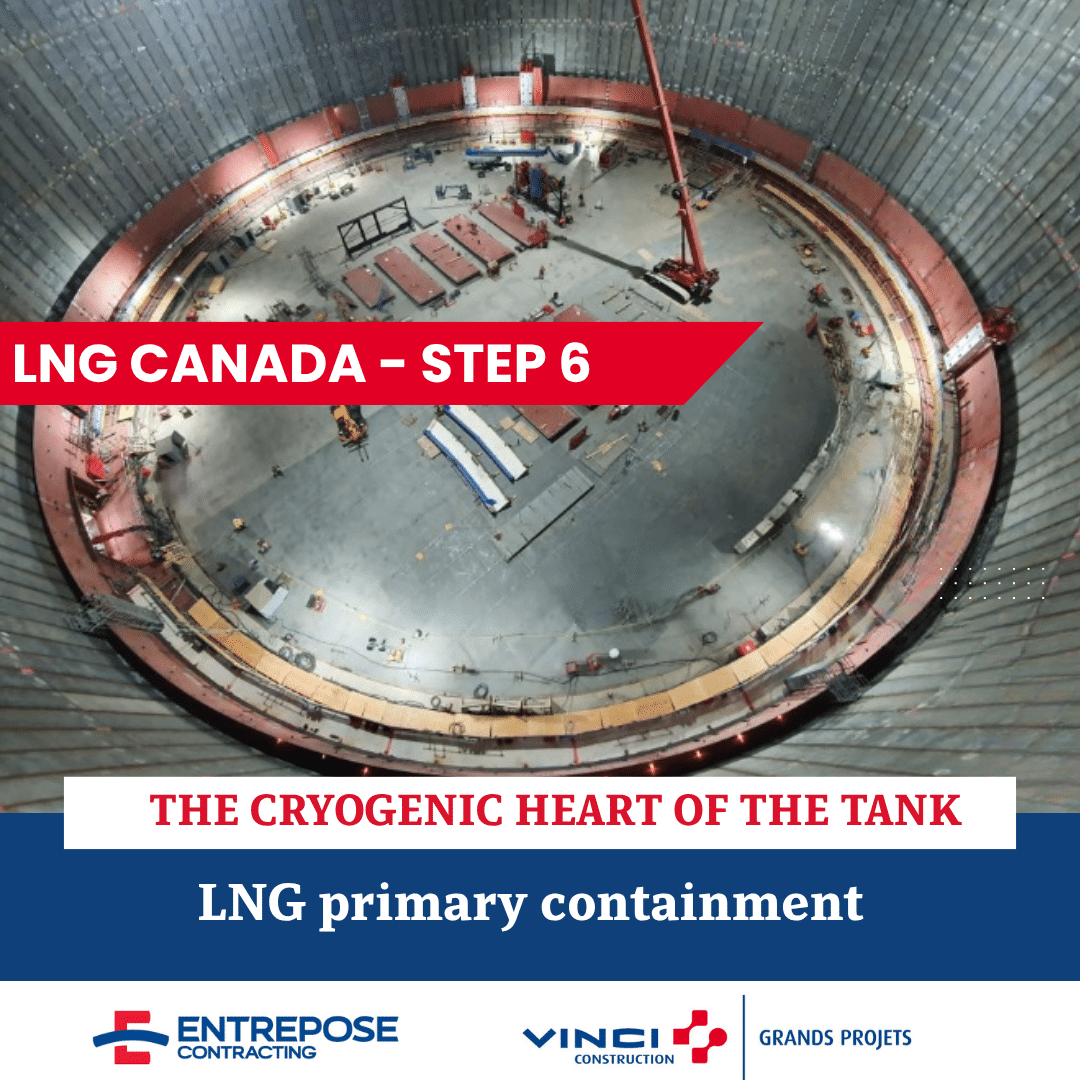
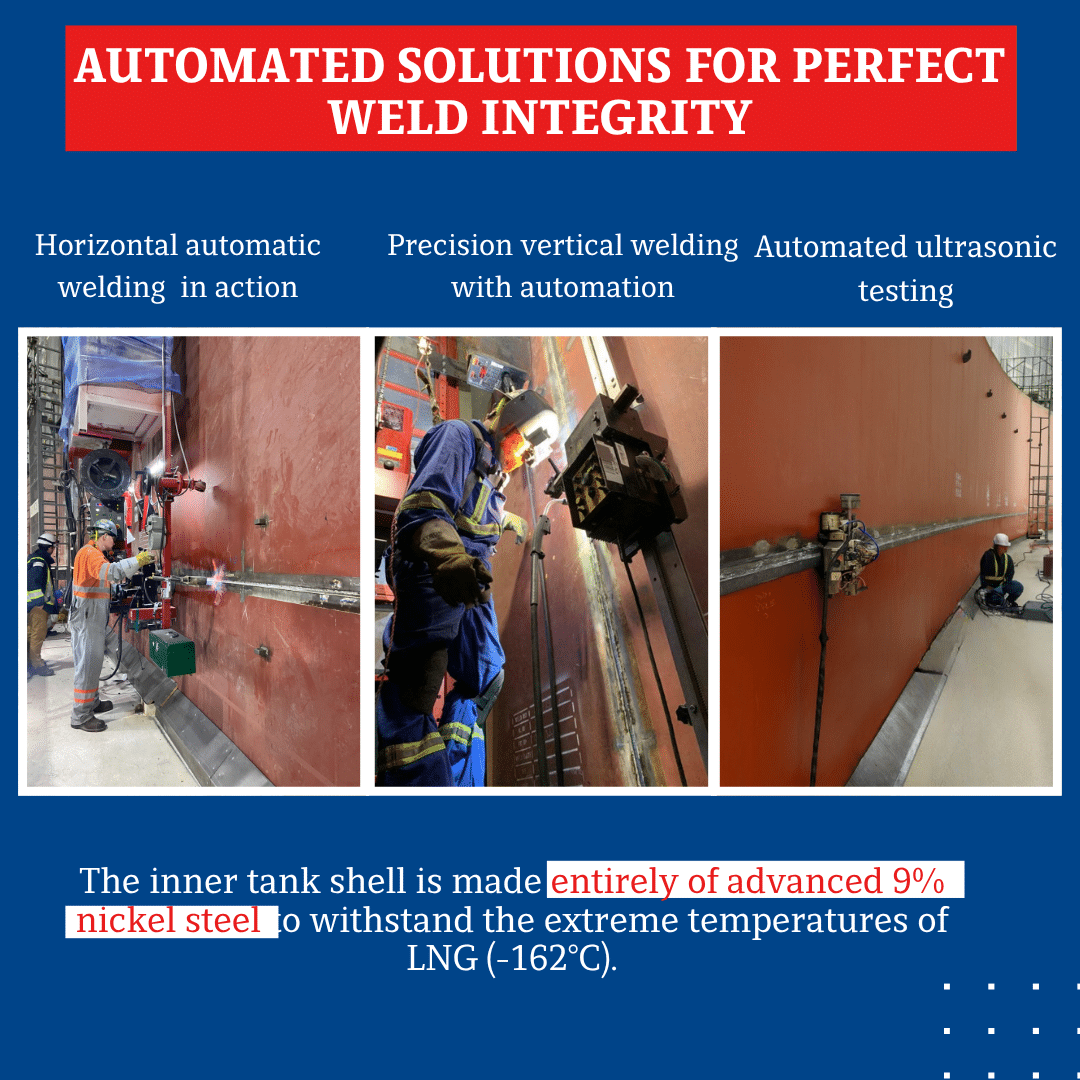
This shell is fabricated entirely from 9% nickel steel material, a high-performance alloy designed to withstand cryogenic temperatures of -162°C.
📍Engineering excellence in action :
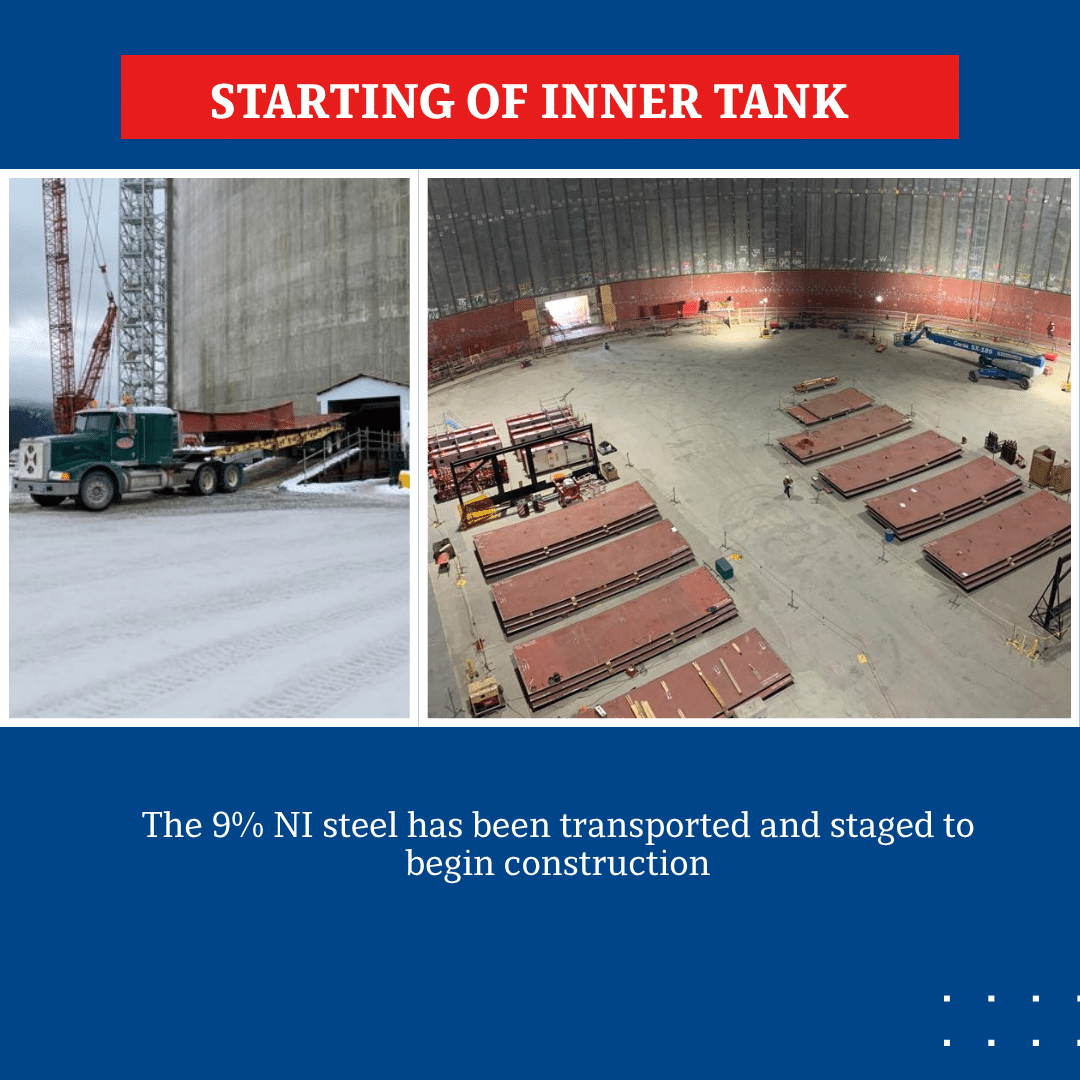
• Shell and bottom made from special 9% nickel steel plates assembled with automated welding machines for maximum precision.
• Automated Ultrasonic Testing and advanced non-destructive testing at each stage
• Strict compliance with cryogenic design codes and international standards for LNG containment.
• Seamless coordination between engineering, procurement, and multi-disciplinary construction teams.
📍A structure at the heart of the tank’s performance
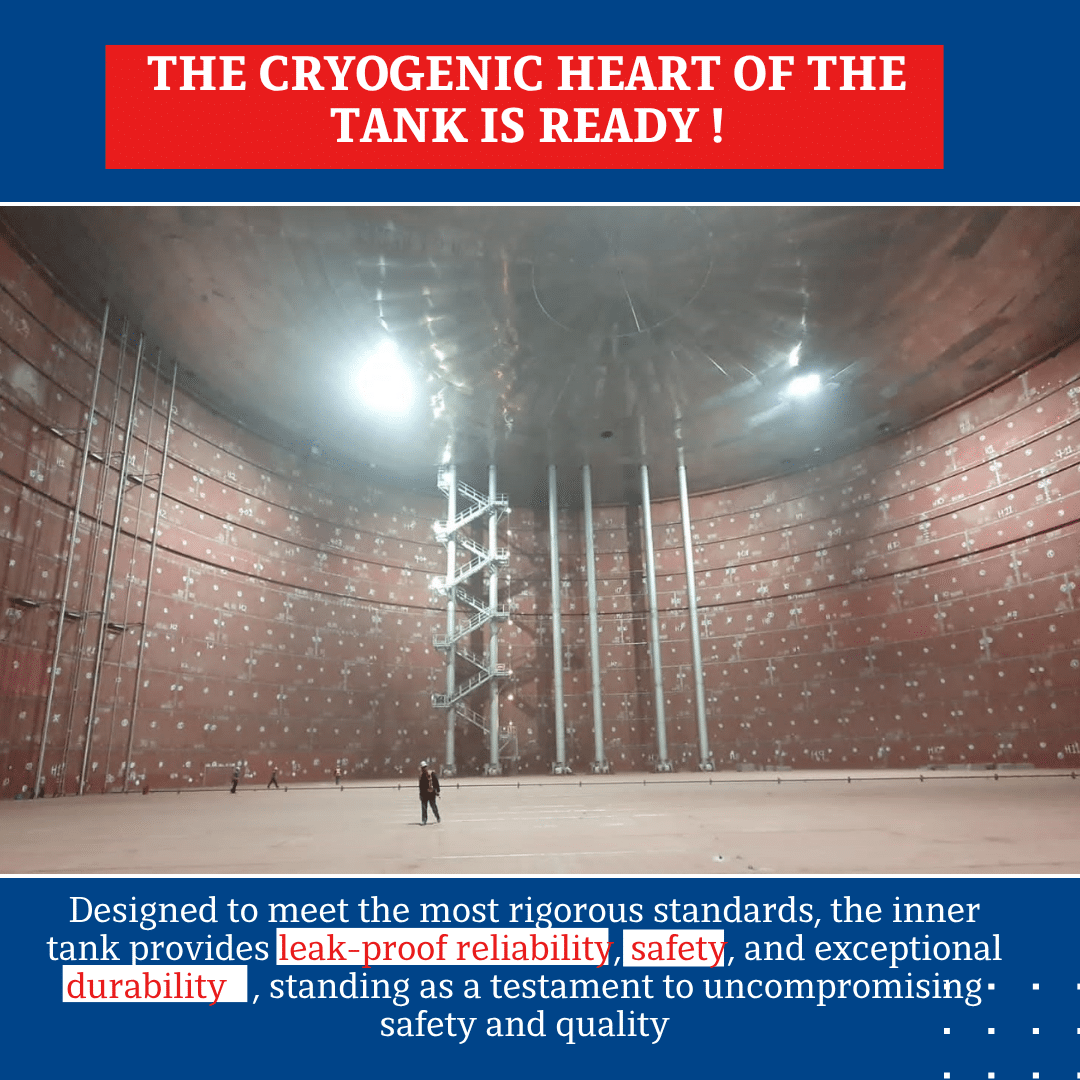
The inner tank is the critical barrier ensuring tightness, structural integrity, and long-term durability under extreme conditions. Its construction reflects uncompromising quality and precision engineering.
📢 Next step: validation through hydrostatic and pneumatic testing.
#LNGCanada #InnerTank #Cryogenics #NickelSteel #EntreposeContracting #EntreposeIndustries #VINCIConstructionGrandsProjets #Quality #OperationalExcellence #Welding #CryogenicStandards #EPC #EnergyTransition#autowelding#AUT#automatictankweldingequipment

Gabriela Victoria Santa Cruz Bustamante holds a PhD in Chemistry and chose engineering over research. Now Project Director for Cartagena GLP at Entrepose Contracting, a subsidiary of VINCI Construction Grands Projets, she leads technically demanding operations. A look at her career path and at the
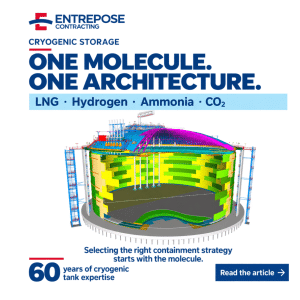
From a distance, a cryogenic tank looks like a large storage tank. Up close, it’s something else entirely: a critical industrial system where a design flaw can have consequences over forty years of operation. At −162 °C for LNG and as low as −253 °C